
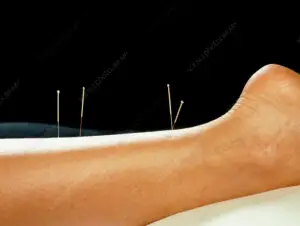
Dry Needling for Calf Pain in Petersham
Simple, Effective Relief at In Good Hands Chiropractic
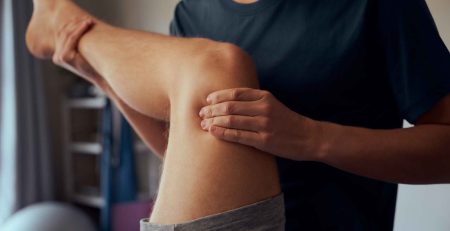
Calf pain is something we see very often at In Good Hands Chiropractic in Petersham. It affects runners, gym-goers, people who stand all day at work, parents rushing around after kids, and even people who sit for long hours. Tight or painful calves can make walking, exercising, or simply getting out of bed uncomfortable.
One treatment that often helps is dry needling. While the name can sound intimidating, dry needling is a simple, evidence‑based technique that many people find helpful for reducing pain, releasing tight muscles, and improving movement.
This article explains dry needling for calf pain in a clear and easy‑to‑understand way, so you know what to expect and whether it may be right for you.
WHAT CAUSES CALF PAIN?
Your calf is made up of two main muscles: the gastrocnemius, which is the larger muscle you can see, and the soleus, which is a deeper muscle underneath. These muscles work together every time you walk, run, climb stairs, jump, or stand.
Calf pain often develops when these muscles become tight, overworked, or irritated. Common causes include running or sudden increases in exercise, poor recovery between workouts, standing or walking for long hours, wearing unsupportive footwear, reduced ankle movement, or old calf strains that never fully healed.
Many people stretch their calves regularly but still feel tightness or pain. This is often because the problem is not just stiffness, but small areas of muscle tension known as trigger points.
WHAT ARE TRIGGER POINTS?
Trigger points are tight knots within muscle fibres that do not relax properly. They can develop after overuse, repetitive strain, or injury. In the calf, trigger points can cause local pain, cramping, or aching, and can also refer pain down toward the heel or up toward the knee.
Trigger points reduce muscle flexibility and can make the calf feel constantly tight, even after stretching. Dry needling is particularly effective at targeting these trigger points directly.
WHAT IS DRY NEEDLING?
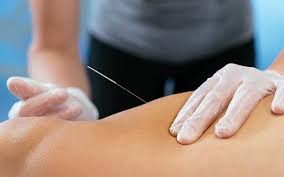
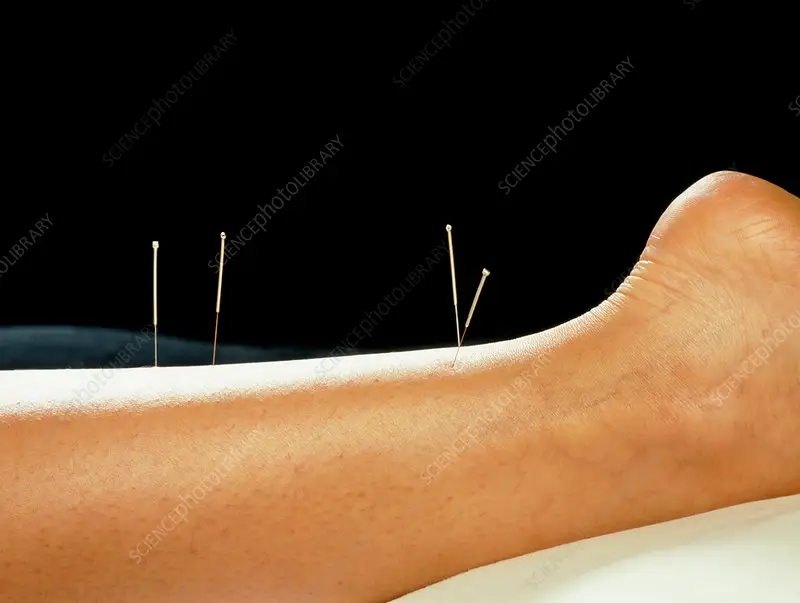
Dry needling is a treatment where very thin, sterile needles are placed into tight or painful areas of muscle. No medication is injected and nothing is put into the body. The needle itself is used to stimulate the muscle and nervous system.
Dry needling is based on modern anatomy and muscle science. It is different from acupuncture, which follows traditional Chinese medicine principles.
The aim of dry needling is to release muscle tension, improve blood flow, and help the muscle return to normal function.
HOW DOES DRY NEEDLING HELP CALF PAIN?
Dry needling works by addressing the underlying cause of many calf problems: muscle tension and poor muscle activation.
When the needle reaches a tight area of muscle, it may cause a brief muscle twitch. This is called a local twitch response and is a good sign that the muscle is releasing. Once the muscle relaxes, blood flow improves and the muscle can lengthen more easily.
Dry needling also helps calm irritated nerves in and around the muscle. This reduces pain signals being sent to the brain and can make movement feel more comfortable.
By improving muscle flexibility and function, dry needling can make walking, running, and standing feel easier and less painful.
WHAT DOES DRY NEEDLING FEEL LIKE?
Most people are surprised by how manageable dry needling feels. You may notice a small pin‑prick as the needle goes in, followed by a brief twitch or cramping sensation that lasts a second or two.
After treatment, the calf may feel relaxed, heavy, or mildly sore, similar to post‑exercise soreness. This soreness usually settles within 24 to 48 hours.
IS DRY NEEDLING SAFE?
Yes. When performed by a trained chiropractor, dry needling is considered very safe. At In Good Hands Chiropractic, we use single‑use sterile needles and carefully assess each patient before treatment.
Mild side effects such as temporary soreness or small bruises can occur, but serious complications are extremely rare.
WHO IS DRY NEEDLING HELPFUL FOR?
Dry needling for calf pain may be helpful if you have ongoing calf tightness, recurring calf strains, stiffness when walking or running, calf cramps (especially at night), heel or Achilles pain linked to tight calves, or if you are active or on your feet all day.
It is particularly useful when stretching or massage alone has not provided lasting relief.
DRY NEEDLING VS MASSAGE
Massage and dry needling can both help calf pain, but they work in different ways. Massage works from the outside and helps relax surface muscle tension. Dry needling targets deeper muscle knots directly and reaches areas that hands cannot.
Many patients find that dry needling provides faster and longer‑lasting relief, especially when combined with hands‑on treatment and exercise.
HOW MANY SESSIONS WILL I NEED?
The number of sessions needed depends on how long the pain has been present, your activity level, previous injuries, and how well you follow exercise and recovery advice.
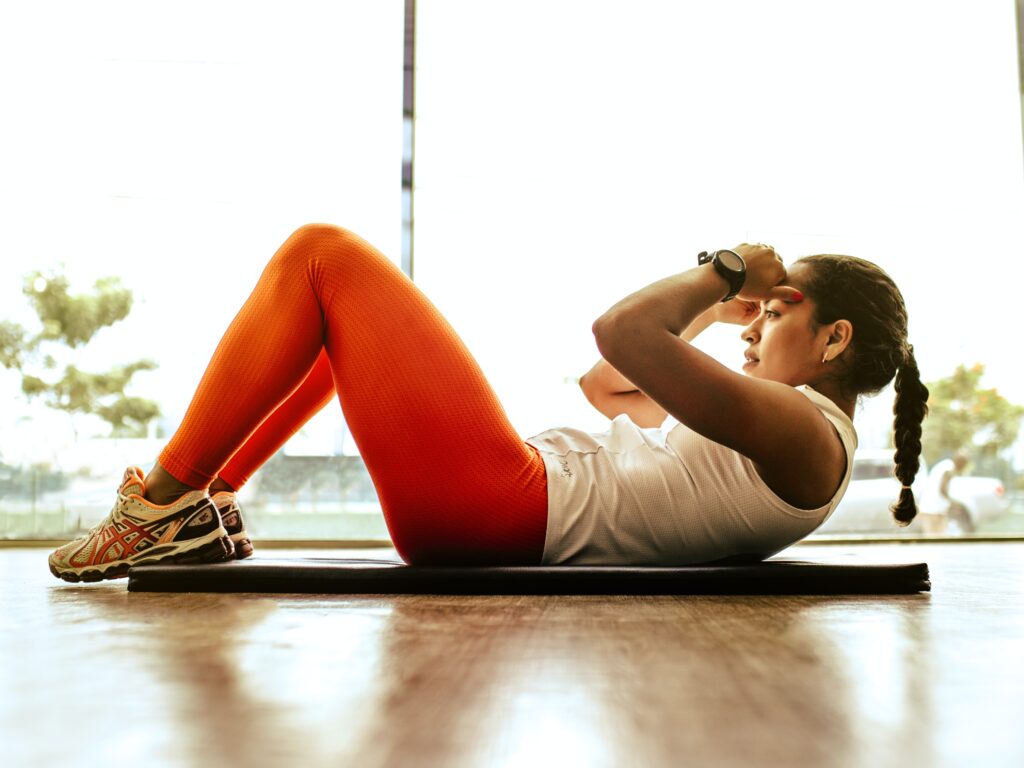
Some people feel improvement after one session, while others may need three to six treatments for longer‑term results. Dry needling works best when combined with stretching, strengthening exercises, movement correction, and advice on footwear or training load.
WHAT SHOULD I DO AFTER DRY NEEDLING?
After treatment, we usually recommend drinking plenty of water, keeping the calf moving gently, avoiding intense exercise for 24 hours, and using light stretching or heat if advised. This helps maximise the benefits of treatment.
CAN DRY NEEDLING HELP PREVENT INJURIES?
Yes. Tight calves increase the risk of calf strains, Achilles tendon pain, heel pain, and ankle injuries. By improving muscle flexibility and function, dry needling can help reduce injury risk, especially in people who exercise regularly or stand for long periods.
WHEN DRY NEEDLING MAY NOT BE SUITABLE
Dry needling may not be recommended if you dislike needles, have an active infection in the area, have certain medical conditions, or are pregnant (some areas are avoided). Your chiropractor will always discuss this with you before treatment.
DRY NEEDLING AT IN GOOD HANDS CHIROPRACTIC, PETERSHAM
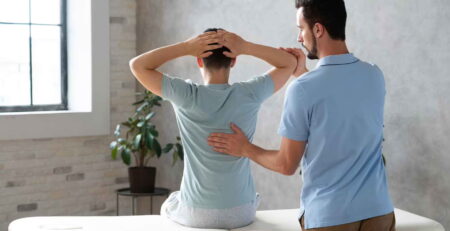
At In Good Hands Chiropractic, we do not treat the calf in isolation. We assess how your spine, hips, knees, ankles, and feet work together. Dry needling is used as part of a complete treatment plan aimed at relieving pain and preventing the problem from returning.
BOOK AN APPOINTMENT
If calf pain is holding you back and you would like to know if dry needling is right for you, we are happy to help.